eqork-bf18b8-8fa7f8
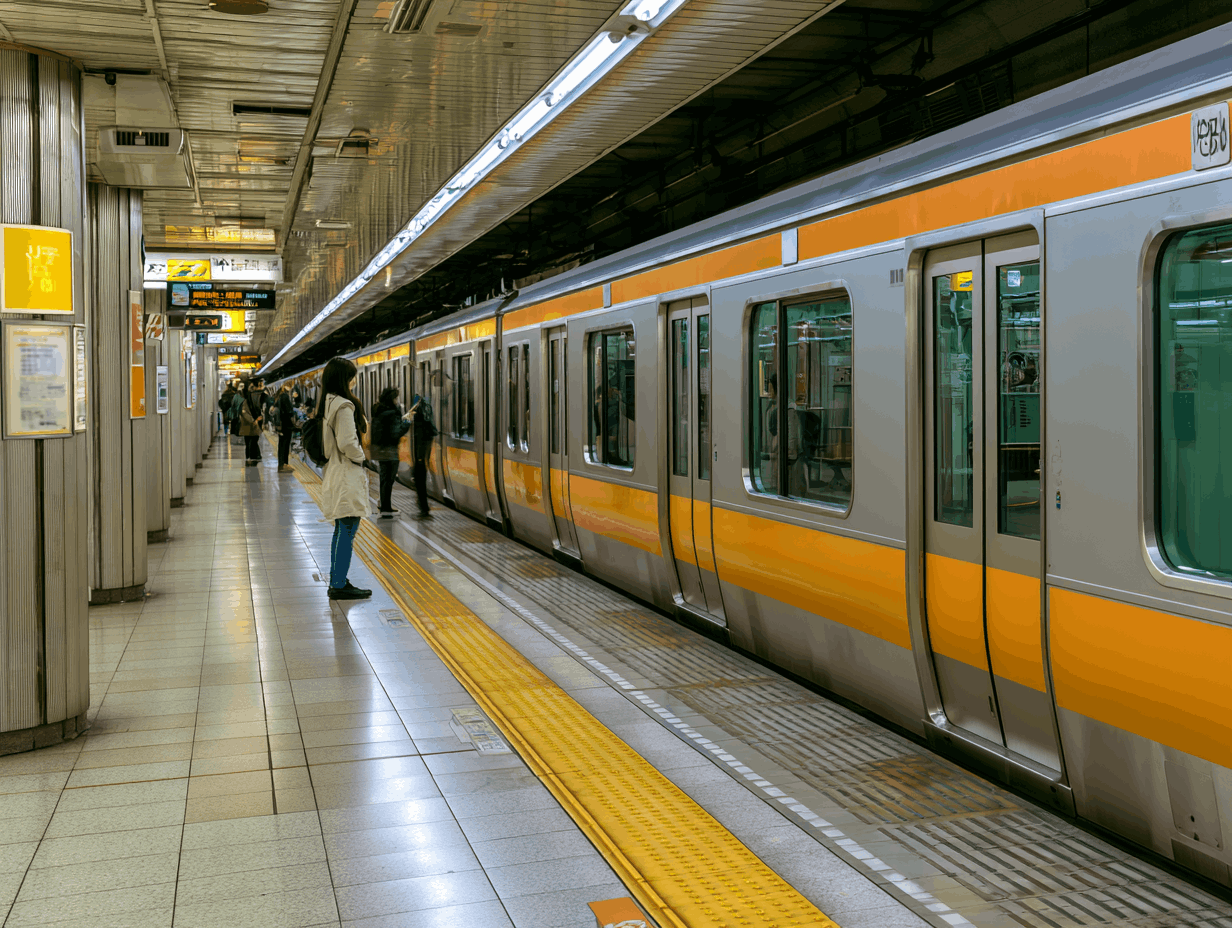
Tokyo has one of the most advanced and efficient public transport systems in the world. It can feel overwhelming at first with all the train lines, stations and crowds but once you understand the basics it becomes surprisingly easy to move around. This guide helps first time visitors navigate the city confidently without stress.
When to Go
This transport guide works great all year round. Rush hours are intense from 7:30 to 9:30 in the morning and 5 to 7 in the evening on weekdays. If possible plan your movements outside these times for a more comfortable experience.
Daily Navigation Plan
Start by getting an IC card like Suica or Pasmo right after arrival at the airport. Use it for all trains, subways and even some buses and vending machines. Plan your route using Google Maps or the official Japan Travel app which show exact platforms and transfer times. For a typical day begin in one area like Asakusa then move to central spots such as Shibuya or Shinjuku. Most major attractions are well connected by the JR Yamanote Line which loops around the main areas.
Top 5 Transport Options
JR Yamanote Line for circling the main city areas quickly. Tokyo Metro subway lines for reaching neighborhoods off the loop. Shinkansen for day trips outside the city if needed. Taxi for short distances late at night or when tired. And walking in compact areas like Shinjuku or Shibuya where stations are close to attractions.
Useful Picks
Convenience store onigiri and drinks for quick meals while on the go. Ekiben, delicious bento boxes sold at major stations. And vending machines with hot and cold drinks everywhere which are lifesavers especially in summer or winter.
Budget vs Premium
**Budget Version**
Use only the IC card with regular tickets, travel mostly outside rush hours and walk whenever possible. This is the cheapest and most authentic way to get around Tokyo.
**Premium Version**
Get a Tokyo Wide Pass or other multi day tickets for unlimited travel, use taxis when needed and consider Green Car seats on trains for more comfort. Its more expensive but saves time and energy.
Quick Tips
Always stand on the correct side of the escalator to let people pass. Learn a few basic station signs in Japanese or use your phone translation. Keep your IC card topped up regularly to avoid stress at ticket gates. Be mindful of others during crowded times and let people off the train first. And dont be afraid to ask station staff for help, many speak some English or can point you in the right direction.
This practical guide will help you move smoothly through Tokyo and make the most of your time. Once you get the hang of it the transport system becomes one of the best parts of visiting the city.